You Are Not Your Content: Finding the Real You Behind the Brand

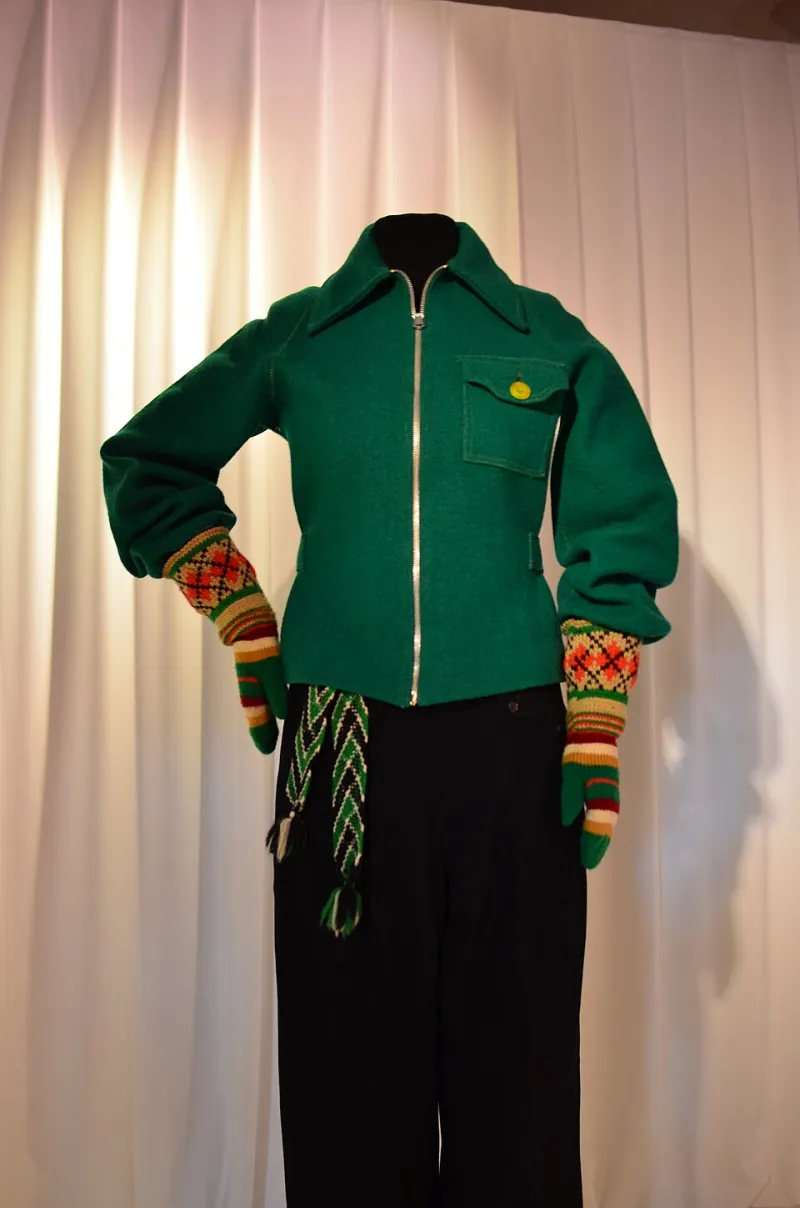
Photo: Schlesinger Library, RIAS, Harvard University, No restrictions, via Wikimedia Commons
Let's be honest for a second. If you've ever spent forty-five minutes tweaking the caption on an Instagram post only to delete the whole thing because it felt "too much" or "not enough," you already know the tension we're talking about. Building a personal brand in 2024 is a weird, wonderful, occasionally exhausting exercise in figuring out who you are — and then deciding how much of that to show the internet.
Here at Roohi Roy, we think about this a lot. Because the whole point of this space is stories, style, and the art of being you. But what happens when the act of packaging yourself for an audience starts to feel like it's quietly replacing the actual you?
The Curated Self vs. The Actual Self
Social media platforms are essentially highlight reels with algorithms. You post the good lighting, the thoughtful take, the outfit that came together. And there's nothing inherently wrong with that — curation is a legitimate creative skill. The problem creeps in when the gap between your curated self and your actual self gets so wide you start performing your own life.
Psychologists call this "self-monitoring," and in moderate doses, it's totally normal social behavior. We all adjust how we present ourselves depending on context. You talk differently at a job interview than you do at a backyard barbecue. But chronic, high-stakes self-monitoring — the kind that social media can encourage — has been linked to anxiety, identity confusion, and a persistent sense of inauthenticity.
The tricky part? Authenticity itself has become a brand strategy. "Just be real" is now a content format. So how do you actually be real when realness has been commodified?
Start With Your Values, Not Your Aesthetic
Most personal branding advice starts with visuals — your color palette, your fonts, your "vibe." And sure, that stuff matters eventually. But if you build your brand identity on aesthetics before you've nailed down your actual values, you're basically decorating a house with no foundation.
Try this instead: write down three to five things you genuinely believe in. Not what you think sounds good, not what your favorite influencer talks about — what you actually care about. Maybe it's creative risk-taking. Maybe it's mental health transparency. Maybe it's really good food and really honest conversations. Whatever it is, those values become your internal compass. When a brand deal feels off, when a trending topic doesn't sit right, when you're not sure whether to post something — you check it against those values.
This is what separates people who build lasting personal brands from people who burn out after eighteen months chasing someone else's version of success.
The Boundaries Nobody Talks About
Here's something the personal branding gurus rarely mention: you are allowed to keep things private. Full stop. Having a public presence does not mean having a public life. You can be open and engaging and still hold entire parts of yourself back from the feed.
Decide in advance what's off-limits. Maybe it's your relationship. Maybe it's your family. Maybe it's your mental health journey, or your finances, or your political opinions. Whatever it is, make that decision before you're in the middle of a vulnerable moment and your phone is in your hand. Because in the moment, the impulse to share can feel like authenticity when it's sometimes just a reaction.
Setting content boundaries isn't about being fake — it's about being intentional. And intentionality, ironically, is one of the most authentic things you can practice.
The 'Always On' Trap
One of the most quietly damaging myths of the creator economy is that consistency means constant visibility. Post every day. Show up in Stories. Go live. Respond to every comment. Be everywhere, all the time, or the algorithm will forget you exist.
Here's the thing though: that pace is unsustainable for most humans, and it absolutely will flatten your personality over time. When you're producing content out of obligation rather than genuine inspiration, your audience can feel it — even if they can't articulate why. The energy is just... off.
Consistency doesn't mean frequency. It means showing up with a recognizable point of view, a reliable quality of thought, and a genuine presence when you do appear. Some of the most compelling personal brands online post three times a week and have deeply engaged audiences. Some post daily and feel hollow. The difference is almost never the posting schedule.
Give yourself permission to log off. Take the weekend. Let an idea marinate for a week before you post it. Your realest self is probably not available 24/7 for content creation, and that's not a flaw — that's being a person.
When the Brand Starts to Feel Like a Costume
If you've been building your online presence for a while and something feels off — like you're playing a character rather than living your life — that's worth paying attention to. It doesn't mean you've failed or that you need to blow everything up. It usually means you've outgrown an earlier version of yourself and your brand hasn't caught up yet.
This happens. People evolve. The interests you had at 24 might not be the ones driving you at 30. The aesthetic you built your following around might feel like someone else's wardrobe now. That's not a crisis — that's growth. The brands that age well are the ones that allow their owners to change publicly, without apology.
Be willing to say "I've shifted on this." Be willing to pivot. Your audience — the ones worth keeping — will follow the real you through the changes. The ones who only wanted the old performance will drop off, and honestly? That's fine.
The Bottom Line
Your personal brand should be a reflection of who you are, not a replacement for it. The goal isn't to manufacture a perfect, marketable version of yourself for public consumption. The goal is to find the parts of yourself that are genuinely worth sharing — and share them with some craft and intention.
Be strategic. Be thoughtful. Edit before you post. But never edit yourself out of your own story.
That's the art of being you. And that's exactly what we're here for.