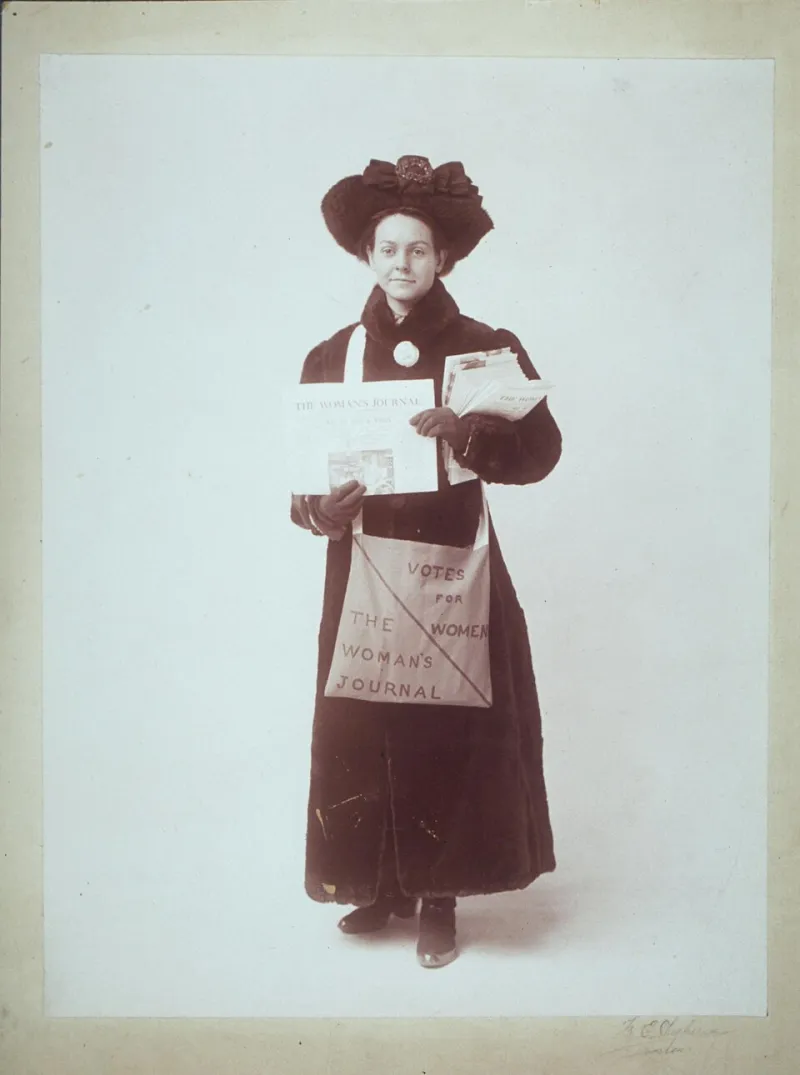
Dress Like You Mean It: How Your Closet Is Quietly Telling Your Story
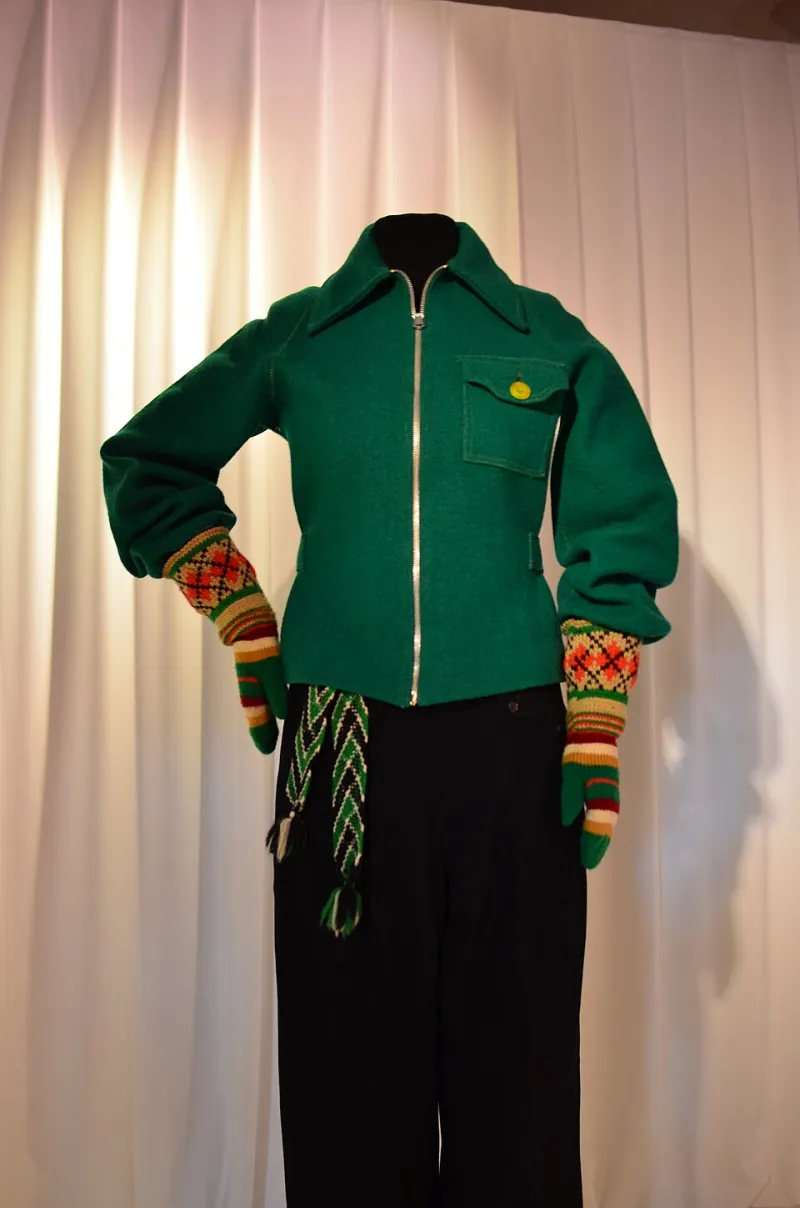
Photo: Joe Mabel, CC BY-SA 4.0, via Wikimedia Commons
You've probably heard the phrase "dress for the job you want" so many times it's lost all meaning. But strip away the corporate-speak and there's actually something real underneath it — something more nuanced and personal than interview blazers and sensible shoes.
The clothes you choose every morning are communicating something. To the world, yes. But more importantly, to yourself. Style isn't just decoration. It's a language. And once you start learning to read it, you'll understand yourself — and your wardrobe — in a completely different way.
1. Your Defaults Reveal Your Default Self
Open your closet right now and look at what you actually reach for — not what you bought with good intentions, not the stuff with tags still on it. What do you wear on a Tuesday when nobody's looking?
That's your style baseline. And it tells you a lot. If you gravitate toward neutrals and clean lines, you probably value calm and control. If you're always reaching for something with a print or a bold color, you likely crave expression and energy. If your go-to is oversized and soft, comfort and ease might be your core values — and there's absolutely nothing wrong with that.
The point isn't to judge your defaults. It's to notice them. Because your instinctive choices are a pretty honest map of who you are when you're not performing for anyone.
2. Color Is Emotional Data
Color psychology is a real field of study, and while it's easy to oversimplify ("wear red to feel powerful!" gets old fast), the relationship between color and mood is genuinely worth paying attention to.
Research from the University of Rochester found that people associate red with confidence and dominance, while softer blues and greens tend to evoke calm and approachability. But here's the more interesting angle: the colors you avoid are just as telling as the ones you love. If you never, ever wear yellow, ask yourself why. Is it a skin tone thing? A bad memory? Or does the brightness feel like too much of a statement for where you are right now?
Experimenting with one new color — especially one outside your comfort zone — can be a surprisingly powerful way to try on a different version of yourself. It's low-stakes identity exploration with an immediate visual result.
3. Fit Is a Form of Self-Respect
This one's less about aesthetics and more about energy. Clothes that actually fit your body — right now, not the body you had five years ago or the one you're working toward — change how you carry yourself. Literally. Your posture shifts. Your stride changes. You stop pulling and tugging and adjusting and start just... existing in your clothes.
A lot of people hold onto pieces that don't fit as a form of motivation or nostalgia, and that's understandable. But wearing clothes that don't fit sends a subtle signal to your nervous system that you're not quite ready to show up fully yet. You're in a holding pattern.
Investing in even a few well-fitting pieces — regardless of size, budget, or trend — is one of the most direct acts of self-respect you can perform through style.
4. A Signature Look Is an Act of Confidence
There's a reason so many famously creative people adopted a kind of personal uniform. Steve Jobs and his black turtlenecks. Diane Keaton and her menswear layers. Iris Apfel and her maximalist stacks of jewelry. Having a signature aesthetic isn't boring — it's actually deeply confident.
When you know what works for you and you stop chasing every trend, you free up enormous mental energy. You also become more recognizable, more consistent, and more you — which, in the age of personal branding, is genuinely valuable.
Finding your signature doesn't mean wearing the same outfit every day. It means identifying the throughline — the silhouette, the color family, the vibe — that ties your wardrobe together and feels unmistakably like yourself.
5. Shopping Habits Mirror Your Relationship With Yourself
How you shop says a lot about where you are emotionally. Impulse buying during stressful periods, hoarding sale items "just in case," refusing to spend money on yourself even when you can afford to — these are all worth examining.
Shopping as retail therapy is a real phenomenon, and it often leads to a closet full of stuff that doesn't actually reflect who you are. It reflects who you were trying to be in the moment of purchase — trying to feel better, trying to fit in, trying to escape something.
Mindful shopping — buying less, buying intentionally, asking "does this feel like me or like someone I'm pretending to be?" — is a practice that connects directly to self-awareness. It's not about being a minimalist or spending more money on "quality." It's about being honest with yourself before you swipe the card.
6. Style Evolution Tracks Personal Evolution
Look back at photos of yourself from five or ten years ago. Beyond the cringe (we all have it), notice what you were wearing and what it communicated about who you were then. Chances are, your style has shifted significantly — and those shifts probably correspond to real changes in your life, your confidence, your priorities.
Style evolution is personal evolution made visible. The woman who spent her twenties in clothes that helped her disappear into a room and then slowly started wearing color and taking up space? That's not just a fashion arc. That's a story about self-worth.
Paying attention to how your style is currently evolving — or where it feels stuck — can tell you something meaningful about where you are in your own story right now.
7. Getting Dressed Is a Daily Act of Intention
Maybe the most underrated thing about personal style is this: it's one of the first choices you make every single day. Before you've checked your email or responded to anyone or performed anything for the world, you've stood in front of your closet and made a decision about how you want to show up.
That's not trivial. That's intention.
Even on days when you feel like you have zero creative energy, choosing something that feels aligned — something that says "this is me today" — can set a tone for the whole day. It's a small act of self-authorship that compounds over time.
So the next time someone asks why you care so much about what you wear, you can tell them the truth: because how you dress is how you tell your story before you've said a single word. And around here, we think your story is worth telling well.